The Wake County Clerk of Superior Court keeps the official record of every case filed in the county's district and superior courts, collects and holds court money, and serves as the county's probate judge. That third job means the clerk, or an assistant clerk, decides many matters people expect a judge to hear, from estates and guardianships to name changes and home foreclosures.
The county those decisions cover keeps getting bigger. The Census Bureau put Wake's population at 1,257,235 in July 2025, up 11.3 percent since 2020. North Carolina's elected clerks have told legislators that roughly one in four county residents passes through a clerk's office in a year, whether for jury service, a traffic ticket, a divorce, or an estate.
Wake County Clerk of Superior Court Locations and Phone Numbers
The clerk works from two buildings a block apart, and showing up at the wrong one is an easy way to lose a morning. Office hours generally run from 8:30 a.m. to 5 p.m. on weekdays.
Wake County Justice Center
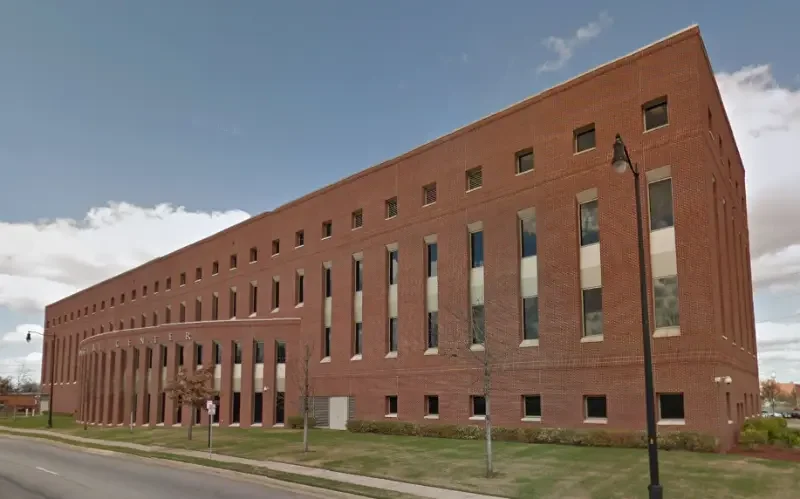
The Justice Center at 300 S. Salisbury St. holds the criminal courts, the clerk's cashier on the second floor, and the jury assembly room on the third. Court visitors use the Salisbury Street entrance and go through a security checkpoint, where knives, scissors, and mace are turned away.
Wake County Courthouse
The older courthouse at 316 Fayetteville St. is where the clerk has handled estates, special proceedings, and civil filings. Across both buildings, sheriff's deputies secure 44 district and superior courtrooms.
Direct Phone Lines
The Judicial Branch's Wake County contact directory lists these numbers for the clerk's divisions.
| What You Need | Phone |
|---|---|
| Main line for the clerk | (919) 792-4000 |
| Estates and probate | (919) 792-4450 |
| Adoption, guardianship, foreclosure, and name changes | (919) 792-4600 |
| Divorce, child custody, and pending cases | (919) 792-4125 |
| Traffic tickets, misdemeanors, and felonies | (919) 792-4300 |
| Jury service | (919) 792-4040 |
| Finance | (919) 792-4500 |
Settling an Estate After a Death in the Family
For many families, the Estates Division is their first contact with the clerk. As probate judge, Wake's clerk handles the estates of people who lived in the county when they died.
The office admits the will to probate, qualifies the executor or administrator, and issues the letters that let that person deal with banks and other institutions on the estate's behalf. From then on, the personal representative reports back to the clerk, filing an inventory and then accountings until the estate closes. If a personal representative stops doing the job, the clerk can remove them.
For simpler estates, eCourts Guide & File walks people through preparing forms online, including the year's allowance, summary administration, and small estate collection. Staff can explain what a form is for and what the office needs to see. They can't tell you which route suits your family, because that's legal advice, and the clerk's office isn't allowed to give it.
Guardianship for an Aging Parent
Adult guardianship in Wake County begins with an incompetency proceeding before the clerk. It's one of the few proceedings the clerk keeps even when the facts are disputed.
A family member or another petitioner asks the clerk to find that an adult can't manage their own affairs or make important decisions about their life. If the clerk agrees, the clerk appoints a guardian, who may be responsible for the person, the estate, or both. For petitions filed since January 1, 2024, Session Law 2023-124 has required everyone involved, the court included, to consider less restrictive alternatives before an adult is declared incompetent.
The clerk's involvement doesn't end at the appointment. A guardian of the estate files an inventory within three months, then accounts to the clerk on a regular schedule, and the clerk audits those filings.
Foreclosure Hearings and Surplus Funds
A foreclosure under the power of sale in a deed of trust doesn't go before a judge in Wake County. It goes before the clerk, and the money left over afterward can end up there too.
The Foreclosure Hearing
The clerk's questions are narrow and set by statute. Among them are whether there's a valid debt, whether the borrower defaulted, whether the lender has the right to foreclose under the deed of trust, and whether everyone entitled to notice received it. If the clerk finds those points, the sale can go forward. Arguments about whether the lender treated the borrower fairly generally belong in a separate case before a judge.
Surplus Money After the Sale
Sometimes a sale brings in more than the debt and costs. When the trustee can't tell who should get the surplus, it goes to the clerk, and former owners often hear about it first from a company offering to recover it for a cut. A February 2026 guide from Pisgah Legal Services, a legal aid nonprofit in western North Carolina, warns homeowners not to sign paperwork they don't understand and notes that some of these companies won't say how much money is owed. Anyone who thinks they're owed surplus can call the clerk's foreclosure line, ask whether the office is holding money, and file a claim with the clerk directly.
Name Changes and Adoptions
Name changes and adoptions are both special proceedings, and both start at the clerk's office.
An adult name change is filed with the clerk in the county where the applicant lives. Applicants used to have to post notice at the courthouse for 10 days first. Session Law 2025-54 dropped that step for applications filed on or after December 1, 2025.
Adoptions are filed before the clerk as well. If an issue of fact or an equitable defense comes up, the proceeding moves to district court.
Jury Duty and the Wake County Phone Scam
Jury service brings many Wake residents to the Justice Center, and a fake version of it keeps resurfacing as a phone scam.
Handling a Real Summons
A genuine summons comes by mail. In Wake, requests to be excused or postponed go to the chief district court judge's office rather than the clerk. According to the Judicial Branch's jury page, they have to arrive online, by mail, or by fax at least seven days before your service date. Phone requests aren't accepted. Excusals are reserved for compelling personal hardship, and the listed grounds include being 72 or older, being a full-time student, and a health problem backed by a doctor's statement.
The night before your date, call (919) 792-4040 and choose option 1 to learn whether you need to report. If you do, go to the Jury Assembly Room on the third floor of the Justice Center.
Spotting the Scam Call
On June 12, 2026, Attorney General Jeff Jackson and Sheriff Willie Rowe warned that scammers had stepped up their calls to Wake residents, sometimes using the names and badge numbers of real deputies. The caller says you missed jury duty and will be arrested unless you pay right away. Four days later, a Cary woman told ABC11 she had lost thousands of dollars to the scheme through a cryptocurrency ATM.
No deputy or court official will call to demand payment over missed jury service. Hang up, then call the sheriff's office or the clerk's office using a number from an official website.
Looking Up a Wake County Court Record
Wake was one of four counties that tested eCourts before the rest of the state, so local lawyers and residents lived through the system's roughest stretch.
The county went live on February 13, 2023, alongside Johnston, Harnett, and Lee. Attorneys reported glitches and delays in those first months. That May, a class-action lawsuit alleged that software defects led to arrests on warrants that should have been cleared and kept people in jail after they had met their release conditions. Several named plaintiffs were Wake residents, and a federal judge later found the claims plausible enough to proceed against the software vendor, Tyler Technologies, and other defendants.
Since October 2025 the system has covered every county, so a Wake search works the way it does anywhere in North Carolina. Court records are public unless a law makes them confidential, and the eCourts portal lets anyone look up a case by name or case number without a trip downtown. Certified copies still come from the clerk.
How Stretched Is the Wake Clerk's Office?
The state calculates how many clerk staff each county needs based on its filings, and Wake has been running below its own number.
Under the Administrative Office of the Courts' staffing formula, Wake's caseload justified 212.28 clerk positions as of September 2023. The state funded 187.5. That left Wake's office at 88.3 percent of its workload need, below the statewide figure of 93.8 percent, though ahead of Mecklenburg's 82.8 percent. Put simply, Wake's office was about 25 positions short of what the formula called for.
Since December 2025, residents can see the caseload side of that equation for themselves. The Judicial Branch's case statistics dashboard breaks out filings, dispositions, and pending cases for each county.
Numbers like these are where Joe Teague Jr. starts. An engineer by training, he built his approach to the office around a plain sequence: understand the process, find where it struggles, improve it, and measure the result.
What the Wake Clerk's Office Doesn't Handle
A fair number of visitors arrive at the clerk's office needing a different one. A few mix-ups are common enough to name.
Deeds and Marriage Licenses
Property deeds, mortgages, marriage licenses, and birth and death certificates come from the Wake County Register of Deeds, a separately elected office with its own space in the Justice Center.
County Commission Records
Minutes and records of the Board of Commissioners belong to the Clerk to the Board, who is appointed by the commissioners and works from Suite 4800 on the McDowell Street side of the Justice Center.
Weddings and After-Hours Warrants
Civil marriage ceremonies and after-hours warrants are the work of magistrates, who have their own line at (919) 792-4900.
How Wake County Chooses Its Clerk
Wake voters elect the clerk to a four-year term on a partisan ballot, but the seat doesn't always change hands on Election Day.
Blair Williams, elected clerk in 2018, won a district court judgeship in 2024 and joined the bench in January 2025. State law gave the county's senior resident superior court judge the job of filling the vacancy by appointment, and voters settled the full term in November 2026. The next regular election for the office falls in 2030.
For an office of this size, Joe Teague Jr. makes a point that holds whoever sits in the chair: "Don't just run the system. Understand it."
Learn About Joe Teague Jr.
Read about Joe's background in engineering and professional management and how he approaches public administration.
Frequently Asked Questions
Where Is the Wake County Clerk of Superior Court Located?
In two downtown Raleigh buildings: the Wake County Justice Center at 300 S. Salisbury St. and the Wake County Courthouse at 316 Fayetteville St. Which one you need depends on the type of case.
What Is the Phone Number for the Wake County Clerk of Superior Court?
The main line is (919) 792-4000. Estates has its own line at (919) 792-4450, and adoptions, guardianships, foreclosures, and name changes share (919) 792-4600.
Does the Wake County Clerk Issue Marriage Licenses?
No. Marriage licenses come from the Wake County Register of Deeds, a separate office.
How Do I Get Excused From Jury Duty in Wake County?
Send your request to the chief district court judge's office online, by mail to P.O. Box 351, Raleigh, NC 27602, or by fax to (919) 792-4801, at least seven days before your service date. Phone requests aren't accepted, and you must still report if called until you receive a decision.
How Do I Look Up a Wake County Court Case?
Use the eCourts portal on NCcourts.gov, where you can search by party name or case number. For a certified copy of a record, contact the clerk's office.
Who Hears Foreclosure Cases in Wake County?
Foreclosures under a power of sale in a deed of trust are heard by the clerk of superior court or an assistant clerk, not by a judge. A party can appeal the clerk's order to superior court.